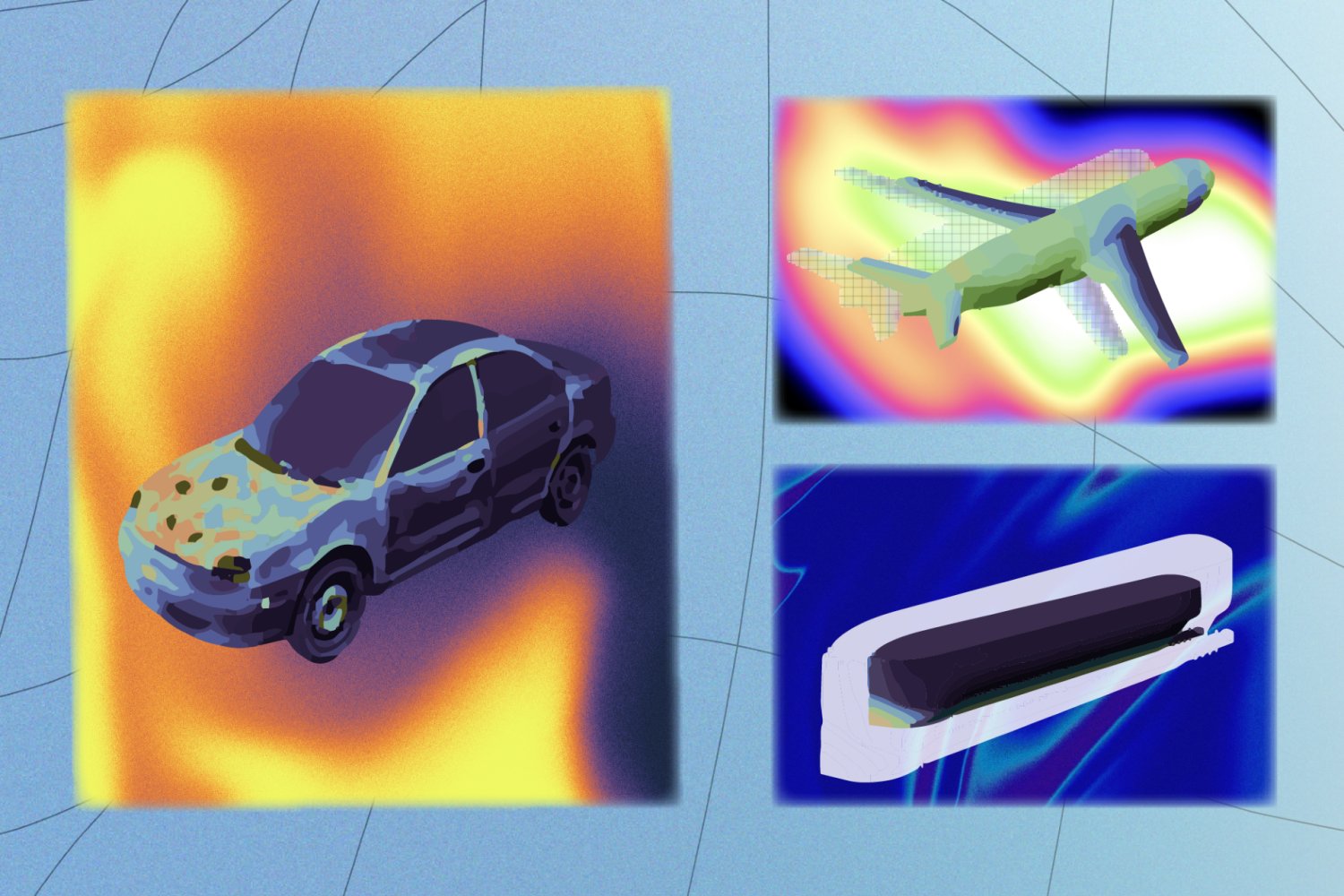
Researchers at the Massachusetts Institute of Technology (MIT) have developed “GeoPT,” an innovative AI model designed to incorporate fundamental concepts of physics to simulate how physical objects respond to real-world dynamics such as wind and water. Unlike purely data-driven neural networks that struggle with novel physical scenarios, GeoPT embeds physical constraints directly into its architecture to improve accuracy and computational efficiency.
This breakthrough allows for advanced modeling in fields like fluid dynamics, structural engineering, robotics, and climate modeling. By bridging the gap between machine learning and first-principles physics, GeoPT paves the way for vastly superior real-world simulations that can rapidly predict complex environmental interactions.
🌌 Deep Perspective
Infusing physical laws directly into computational neural models will enable the realization of planetary-scale digital twins within centuries, capable of simulating Earth’s ecological dynamics with absolute fidelity. Looking 1,000 years into the future, such physics-aware AI frameworks may form the essential cognitive backbone for terraforming extraterrestrial environments and engineering sustained multi-planetary habitats.