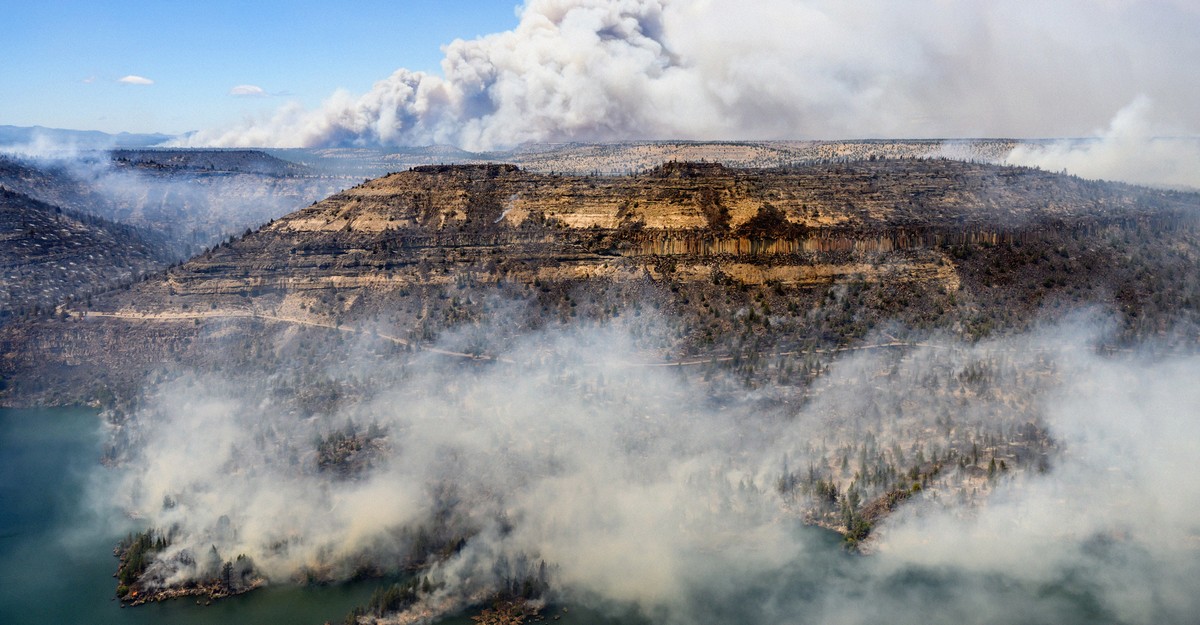
The summer of 2026 has brought a catastrophic wildfire season across the United States, with the vast majority of burn acreage occurring in sparsely populated rural areas and wilderness rather than major metropolitan centers.
While urban populations remain largely insulated from immediate smoke hazards, rural communities and agricultural lands are facing profound structural and ecological impacts. The concentration of destruction in remote sectors highlights growing inequities in resource allocation and disaster resilience infrastructure.
🌌 Deep Perspective
Viewed through a millennial lens, the shifting fire regimes across non-metropolitan landscapes represent a macro-ecological reconfiguration of terrestrial biome distribution driven by climate shifts. Future centuries may look back on these rural fires as early markers forcing humanity to recalibrate the boundaries of land use and human settlement on a warming planet.