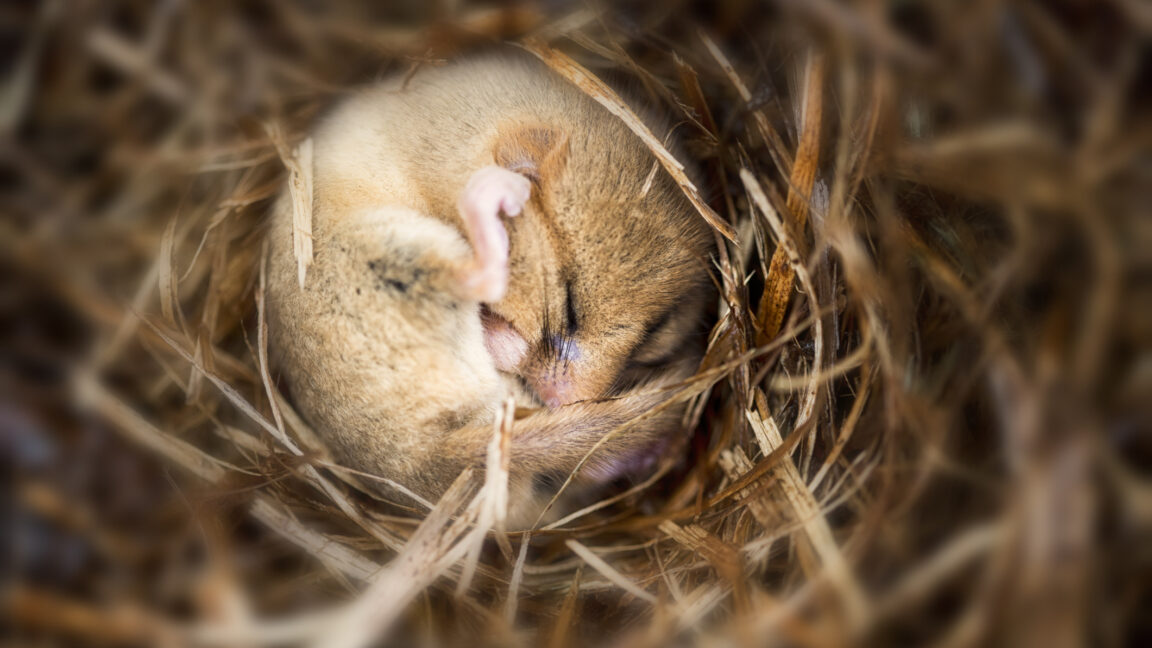
Neuroscience research on mice in hibernation-like states reveals that although torpor induces a loss of up to half of brain synapses, the animals retain their previously learned memories upon waking.
This unexpected resilience challenges classical neurological models that tie memory persistence strictly to intact synaptic structures. The findings suggest that memory engrams may be safeguarded by alternate, highly durable molecular or subcellular frameworks capable of reconstructing neural pathways.
🌌 Deep Perspective
Unraveling how memory survives severe synaptic reduction during deep torpor provides a essential foundation for long-duration human space travel via artificial hibernation. Centuries from now, as humans voyage across interstellar distances, these neurological protective mechanisms will be key to ensuring identity and knowledge remain intact through long cold-sleep journeys.