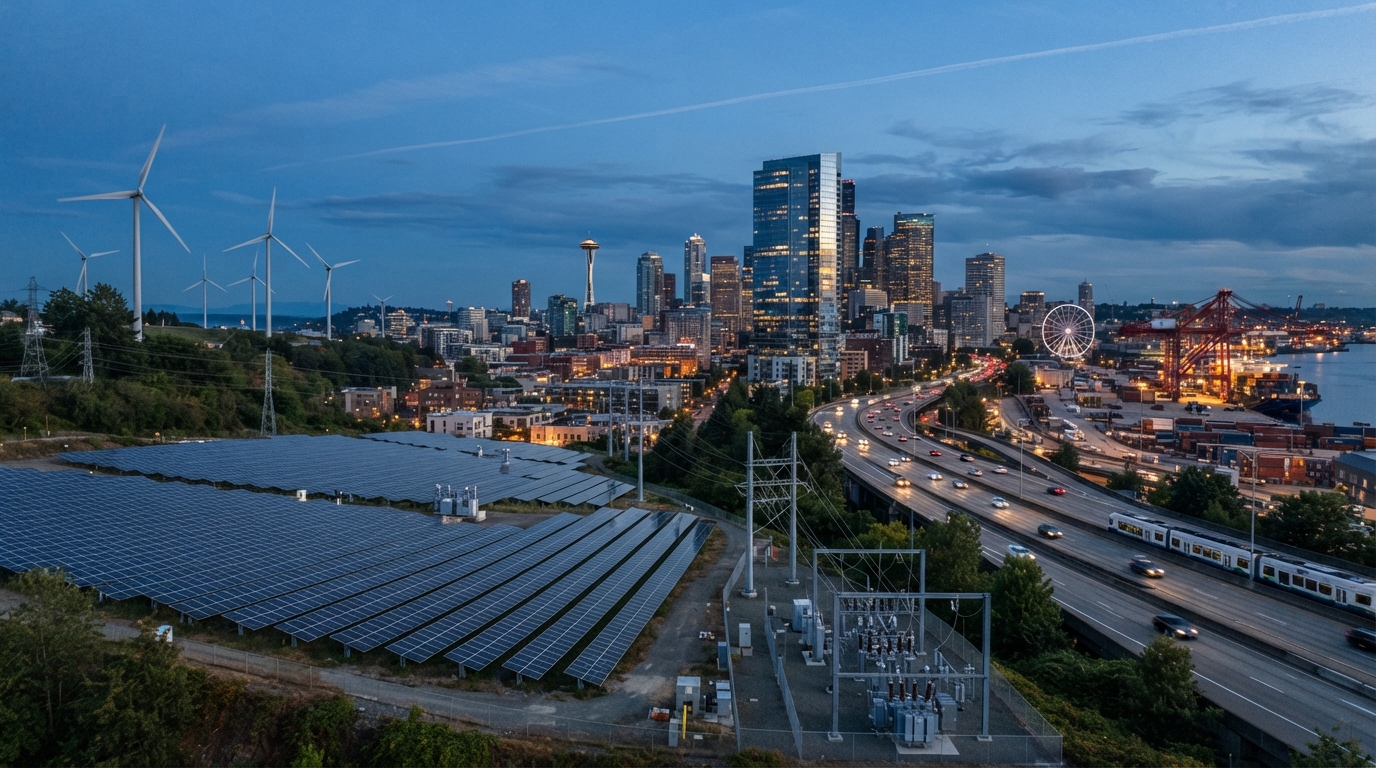
Since the 2008 global economic crisis, the United States has experienced a definitive decoupling of gross domestic product (GDP) growth from carbon dioxide emissions. For generations since the dawn of the Industrial Revolution, expanding economic activity was virtually inseparable from increased fossil fuel consumption and rising emissions, but that historical paradigm began to fracture following the 2008 shock.
This structural shift was driven by a convergence of factors: the shale gas revolution displacing coal-fired power, rapid cost declines and deployment of renewable energy, widespread energy efficiency improvements, and an accelerating transition toward a digitized, service-oriented economy. Evidence indicates that rather than being a temporary artifact of recession, the divergence persisted as the economy recovered, proving that economic expansion can continue while overall carbon intensity declines.
📝 Editorial Viewpoint
While the decoupling of economic growth from domestic carbon emissions marks a crucial milestone in climate mitigation, a complete assessment requires careful accounting of potential carbon leakage through imported goods and global supply chains.
🌌 Deep Perspective
The fracturing of the centuries-old correlation between thermodynamic burn and material prosperity represents humanity’s earliest mastery over civilizational entropy. Viewed from the vantage point of a millennium, this decoupling will likely be recognized as the inflection point where planetary civilization outgrew combustion-based growth and transitioned toward sustainable, systemic equilibrium.