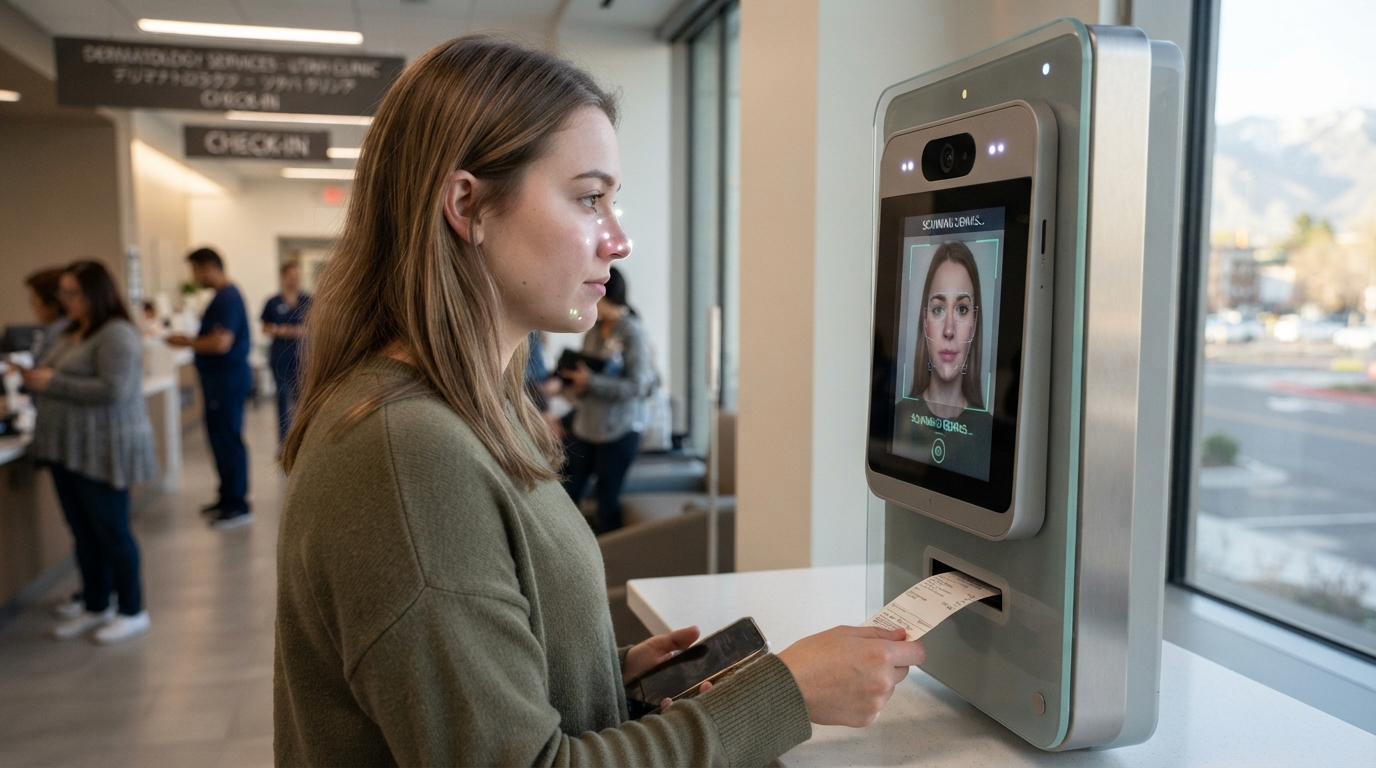
The state of Utah has granted regulatory approval for an artificial intelligence system developed by healthtech startup Nolla Health to scan users’ faces and directly issue prescriptions. This milestone allows algorithmic software to assess acne conditions and authorize pharmaceutical treatments without requiring direct intervention or real-time review from human physicians.
While traditional telemedicine models have typically relied on asynchronous clinician sign-offs, Utah’s regulatory clearance represents a notable shift toward autonomous medical practice. The system analyzes dermatological imagery to determine severity and formulate prescriptive regimens, setting a precedent that could accelerate the integration of automated diagnostic platforms into standard healthcare delivery.
📝 Editorial Viewpoint
While direct algorithmic prescribing promises to dramatically expand healthcare accessibility and reduce costs, it raises critical regulatory questions regarding clinical liability and diagnostic oversight.
🌌 Deep Perspective
From a centuries-long deep-time perspective, delegating diagnostic and prescriptive authority to non-human systems marks the initial transition of medicine from a human craft into an ambient, self-regulating biological maintenance infrastructure. As our species potentially evolves alongside integrated biosensors and automated nanomedicine over the next millennium, the historical concept of a ‘doctor visit’ will be viewed as an archaic stepping stone toward fully autonomous physiological homeostasis.