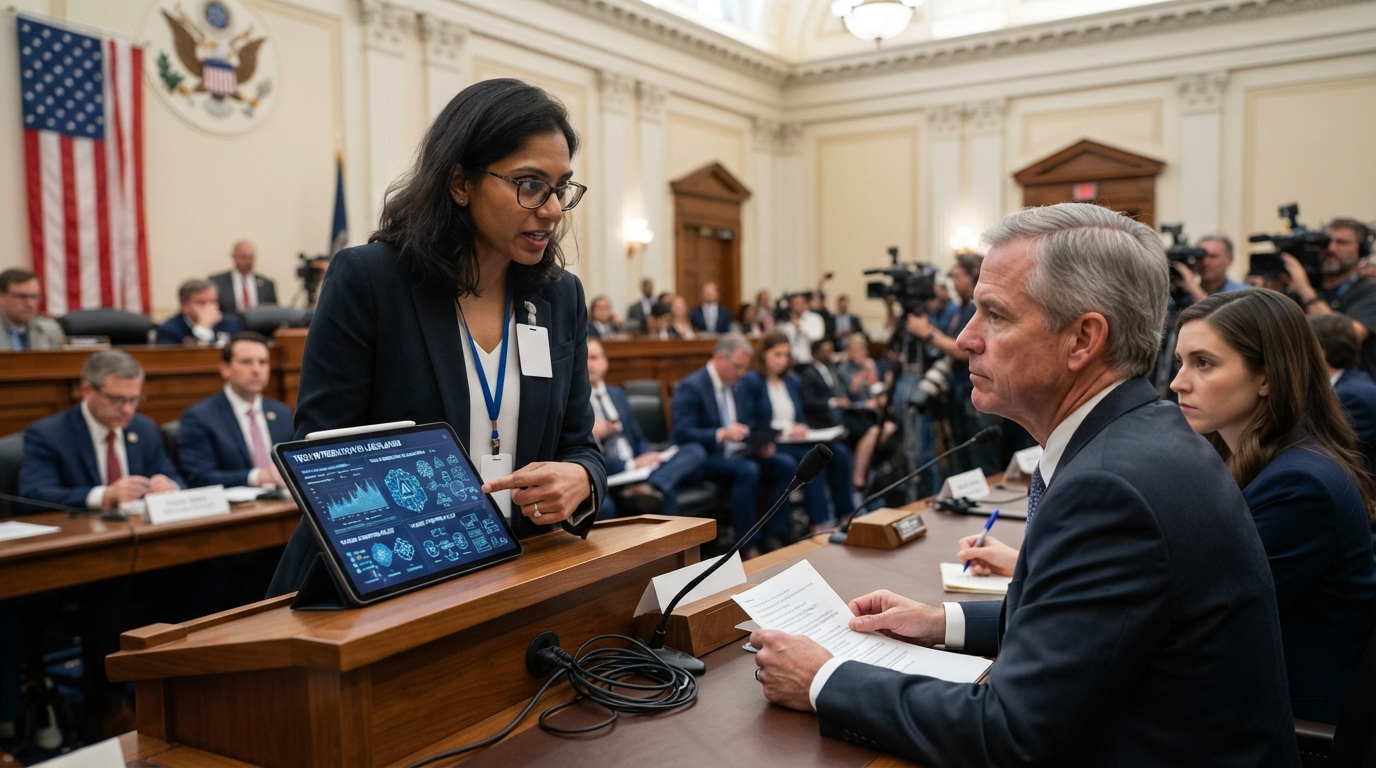
As legislative bodies address complex frontiers such as artificial intelligence, semiconductor manufacturing, cybersecurity, and energy infrastructure, lawmakers increasingly face critical technical policy decisions without adequate technical backgrounds. This dynamic often results in regulatory frameworks that struggle to reflect operational and scientific realities.
An IEEE Spectrum analysis emphasizes that engineers and scientists must actively engage with Capitol Hill to deliver objective, fact-based insights directly to policymakers. Without sustained participation from technical professionals in the legislative process, public policy risks being shaped by misconceptions, commercial lobbying, or superficial understanding, underscoring the vital need for civic involvement from the engineering community.
📝 Editorial Viewpoint
Bridging the widening divide between accelerating technological capability and legislative literacy requires direct, institutionalized advisory pipelines from practicing engineers to lawmakers.
🌌 Deep Perspective
Viewed across a century or a millennium, this era represents a critical crucible where human civilization must align exponential technological power with durable democratic governance. Ensuring that legislative institutions incorporate empirical engineering insights is an essential prerequisite for humanity to navigate existential sociotechnical transitions without systemic collapse.